

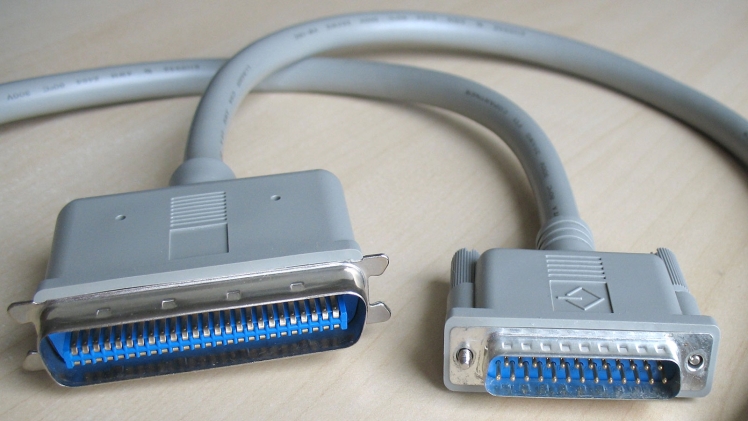
SATA and PATA are two types of interface used for computer hard drives. They are both widely used in the industry, though SATA is now the most popular type of connection for hard drives. In this article, we will explore the differences between SATA and PATA and look at the advantages and disadvantages of each.
What is SATA and PATA?
SATA stands for Serial ATA and is a computer bus interface used for connecting storage devices like hard drives and optical drives. It is a serial connection, meaning that it transmits data serially, one bit at a time. SATA is the most commonly used interface for hard drives today and is used in almost all modern PCs and Macs.
PATA stands for Parallel ATA and is an interface for connecting storage devices. It is an older type of connection than SATA, and is now mostly used in older computers and laptops. PATA is a parallel connection, meaning that it can transmit multiple bits of data at the same time.
The Difference Between SATA and PATA
The main difference between SATA and PATA is the type of connection they use. SATA is a serial connection, meaning that it transmits data serially, one bit at a time. PATA is a parallel connection, meaning that it can transmit multiple bits of data at the same time.
Another difference between SATA and PATA is the speed at which they can transfer data. SATA is much faster than PATA, with transfer speeds of up to 6 Gb/s. PATA has a much slower transfer rate of up to 133 Mb/s.
Finally, SATA is much more common than PATA. SATA is used in almost all modern PCs and Macs, while PATA is mostly used in older computers and laptops.
Advantages and Disadvantages of Both SATA and PATA
SATA has several advantages over PATA. It has a much faster data transfer rate, with speeds of up to 6 Gb/s. It is also much more common, and is used in almost all modern PCs and Macs. Finally, it is more reliable than PATA, as it is less susceptible to data corruption.
The main disadvantage of SATA is that it is more expensive than PATA. It also requires more power to operate, meaning that it may not be suitable for some older computers.
PATA has several advantages over SATA. It is much cheaper than SATA, and is therefore more suitable for budget builds. It also requires less power to operate, meaning that it can
