

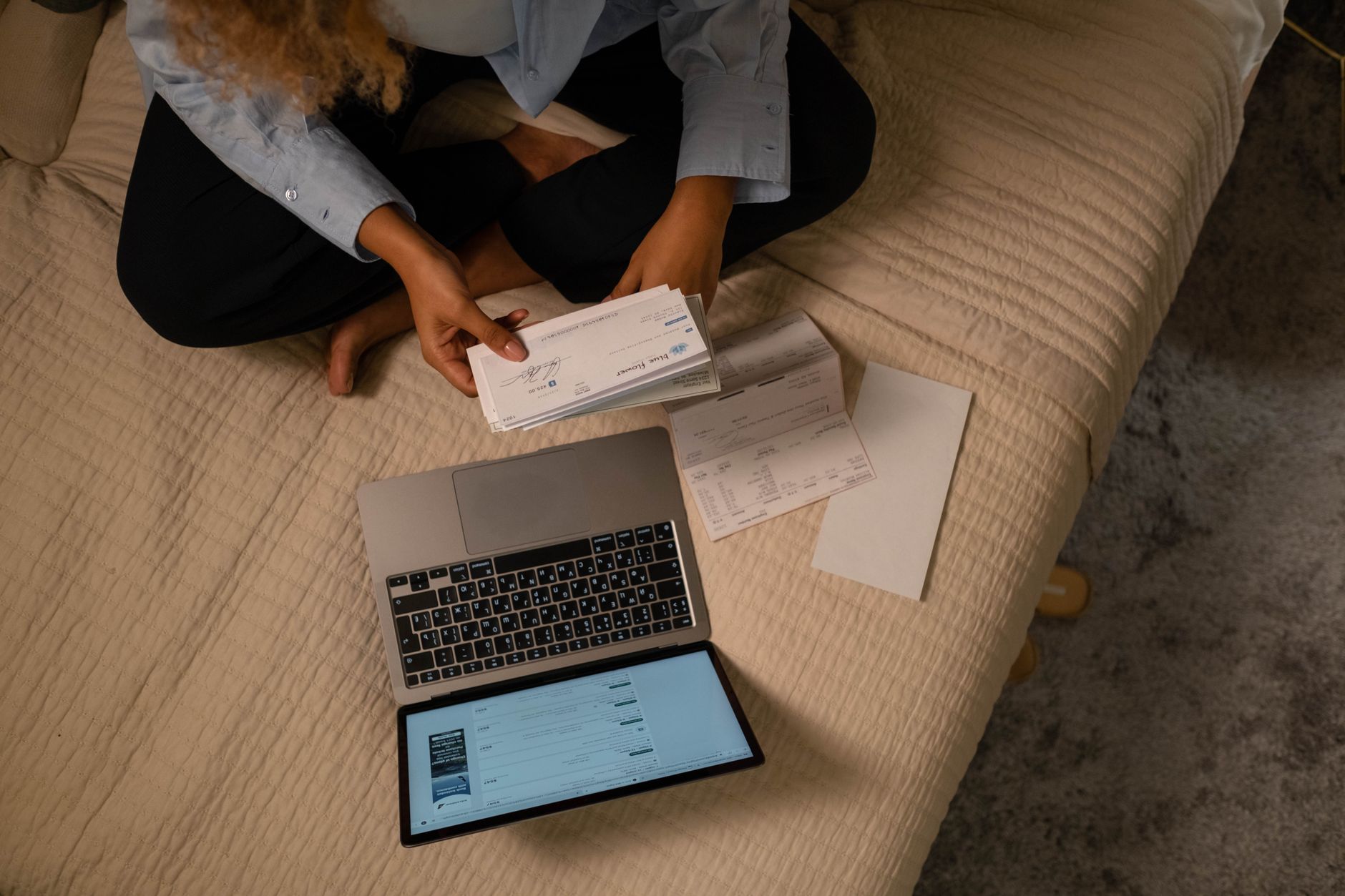
Understanding What Is A 3rd Party Check can save you serious banking drama. Learn the strict rules, the fraud risks, and why tellers get so suspicious.
Paper checks are basically ancient history at this point. Yet people still totally insist on using them. A person gets a fifty dollar paper check for their birthday from a sweet aunt. That person owes a buddy fifty dollars for a late night bar tab. They look at the piece of paper. They decide to just sign the check over to their buddy.
This sounds like a very simple and logical solution. But this simple idea causes absolute total chaos at the local bank branch. The bank teller immediately starts sweating. The branch manager often gets called over. Figuring out What Is A 3rd Party Check involves diving into totally outdated banking laws. It is a very clunky process. The modern banking industry hates this practice with a burning passion.
The basic concept is simple enough to grasp. The original payee transfers their legal right to the money. They hand that specific right to a brand new person. The new person becomes the official third party.
In theory, the money just skips a tedious step. Instead of depositing the cash and then handing over physical bills, the paper does all the heavy work. But theory and reality are very different things. We currently live in an era of massive digital scams. Identity theft is absolutely everywhere. Because of this, a signed over piece of paper is treated like a toxic hazard by most financial workers.
Moving Paper Money Around
If someone absolutely insists on doing this, they must follow incredibly rigid steps. Writing a random messy name on the back will definitely not work. The original payee must look very closely at the endorsement area.
They must pick up a dark ink pen. They have to write a very specific legal phrase. They write "Pay to the order of" and then print the new person's name perfectly. If the name spelling is slightly wrong, the big bank will reject it entirely. It is a highly unforgiving process.
After writing that special magic phrase, the original payee signs their own name right below it. Then the new person must sign their exact name underneath the first signature. This slowly creates a clear chain of custody.
It tells the nervous bank that both humans agreed to the cash swap. The dark ink must be perfectly clear. Messy scribbles will easily cause immediate rejection. It totally feels like signing a major peace treaty just to move fifty bucks. The heavy strictness of the rules is enough to make anyone want to just use an app instead.
Why Bank Tellers Look At You With Suspicion
Bank tellers are highly trained to spot totally bad liars. They see crazy scams every single day. When a customer slides a doubly signed check across the cold bank counter, loud alarms go off mentally.
The teller does not actually know the original payee. The teller only sees the new person standing right in front of them. It is incredibly easy to steal a birthday check directly from a neighborhood mailbox. It is incredibly easy to forge a totally messy signature. The local bank has zero solid proof that the original payee actually wanted to give the money away.
Because of this massive digital blind spot, the teller will always ask very hard questions. They will stare intensely at the plastic ID card. They will hold the paper check up to the bright light.
They might even ask to call the original payee right on the phone. This makes normal customers very angry. Customers clearly feel like they are being called dirty criminals. The teller does not care about hurt feelings. The teller deeply cares about keeping their daily job. If a teller accepts a badly forged check, the bank loses money fast. The teller gets fired immediately. It is totally simple math.
The Nightmare Of Taking Fake Paper
Accepting a signed over check from a total stranger is financial suicide. Greedy scammers absolutely love this trick. A scammer buys a cheap used laptop on a local marketplace app.
The scammer happily hands over a signed third party check. The trusting seller takes the piece of paper. The seller quickly deposits it into their own checking account. The bank software shows the fake money is there. The scammer easily walks away with a totally free laptop. Two days later, the painful trap springs.
The bank finally realizes the check was entirely fake. The fake account numbers were printed in a dark basement. The bank instantly pulls the fake money back out of the seller's account.
Now the sad seller has no laptop at all. The seller has no real money. To make matters completely worse, the bank slaps the seller with a nasty returned item fee. The penalty fee is usually around thirty dollars. The poor victim gets heavily punished just for being trusting. This is exactly why financial experts loudly scream at people to never take paper checks from strangers.
Better Ways To Move Cash In Modern Times
There is totally no logical reason to use a signed over check in May 2026. The busy world is full of instant digital solutions. Everyone has a powerful smartphone right in their pocket.
A person can easily deposit a birthday check into their own account using a mobile camera. It takes exactly ten seconds. Once the money officially clears, they can send it to a friend digitally. Zelle quickly moves money straight from one bank vault to another bank vault instantly. There is absolutely no paper. There is absolutely no suspicious bank teller.
Venmo and CashApp are also completely free for basic friendly transfers. If someone stubbornly refuses to use apps, physical cash still works perfectly. Walking directly to an ATM, entering a pin, and pulling out crisp twenty dollar bills is foolproof.
Handing cold cash to a buddy ends the transaction immediately. If the situation is a large business deal, a secure cashier's check or a wire transfer is the proper tool. Clinging to the highly messy practice of double signing personal checks is just stubborn behavior.
How Different Corporate Banks Make Their Own Rules
There is totally no federal law that forces a bank to accept these checks. Every corporate bank simply writes its own private rulebook. Giant mega banks usually have a totally hard ban on them.
Their modern computer systems are heavily programmed to automatically reject them at the ATM. If a sneaky customer tries to slide one through a mobile deposit, the account might get frozen completely for suspicious activity. Big banks just do not need the headache. They would rather lose a minor customer than deal with the huge fraud risk.
Small local credit unions might be a little bit nicer. If a customer has happily banked there for twenty years, the branch manager might approve it. But they will definitely still put a very long hold on the funds.
They might lock the money up tightly for ten full business days. This finally ensures the original bank actually pays out the real cash. Calling ahead is the absolute only way to know the branch rules. Showing up totally blind is a really great way to waste a beautiful afternoon.
The Smart Way To Handle Your Cash
The modern banking system has evolved deeply. Old tricky loopholes are being closed permanently. Trying to force a modern bank to accept a highly risky paper transfer is a very frustrating battle.
The daily fraud risks are simply too high. The intense teller scrutiny is way too annoying. Smart everyday consumers totally leave this practice in the past. Moving money should always be clean and secure. Using digital tools or cold hard cash totally prevents the drama entirely. Keep your daily banking incredibly simple, and avoid the angry teller line completely.
FAQs
Can a person deposit this type of check at an ATM?
Most bank machines will automatically reject a check with two signatures because the machine cannot verify the human identities.
Does the original payee need to visit the bank branch?
Some strict banks actually require both parties to stand right at the teller window with valid identification to prove no fraud is occurring.
What happens if the original account has no money?
The check will totally bounce, the money will be yanked out of the depositor's account, and brutal penalty fees will be applied.
Is it safe to accept these from a business client?
It is extremely risky and heavily discouraged unless you have absolute total trust in the person handing over the endorsed paper.
